Trends in Contemporary Architectural Design Practices
- prabhat chhabra
- Jun 12
- 4 min read

Architecture is not just about creating buildings; it is about shaping environments that reflect our values, aspirations, and the world we live in. As we move further into the 21st century, architectural design practices are evolving rapidly, influenced by technological advancements, environmental concerns, and changing societal needs. This blog post will explore the key trends in contemporary architectural design practices, highlighting how they are reshaping our urban landscapes and living spaces.
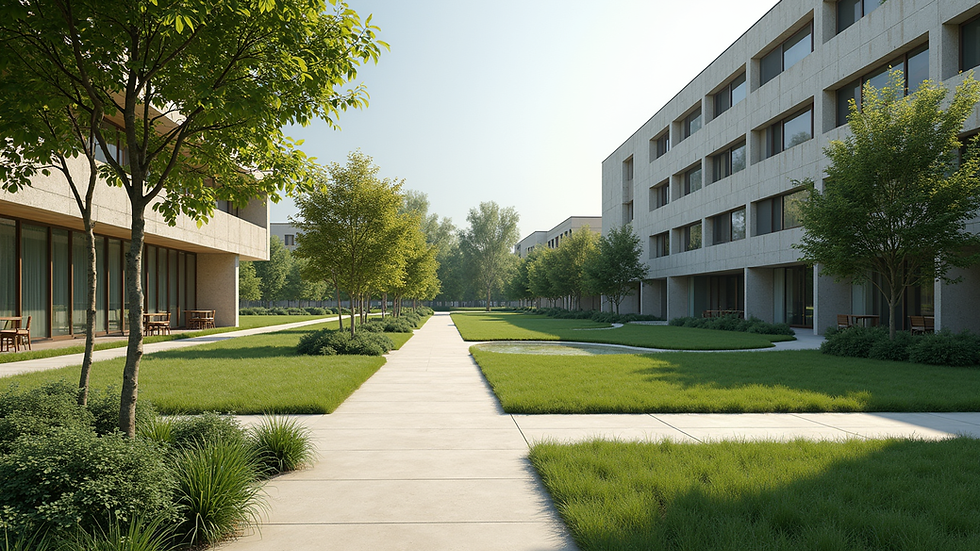
Emphasis on Sustainability
One of the most significant trends in contemporary architecture is the emphasis on sustainability. As climate change becomes an increasingly pressing issue, architects are prioritizing eco-friendly designs that minimize environmental impact. This includes:
Use of Sustainable Materials: Architects are opting for materials that are renewable, recyclable, and have a low carbon footprint. For example, bamboo, reclaimed wood, and recycled steel are becoming popular choices.
Energy Efficiency: Buildings are being designed to consume less energy through better insulation, energy-efficient windows, and the integration of renewable energy sources like solar panels. The Bullitt Center in Seattle is a prime example, boasting net-zero energy consumption.
Green Roofs and Walls: Incorporating vegetation into building designs not only enhances aesthetics but also improves air quality and reduces heat absorption. The Bosco Verticale in Milan features residential towers adorned with trees and plants, creating a vertical forest.
Integration of Technology
Technology is transforming architectural design practices in profound ways. From the initial design phase to construction and building management, technology is enhancing efficiency and creativity. Key aspects include:
Building Information Modeling (BIM): This digital tool allows architects to create detailed 3D models of buildings, facilitating better collaboration among stakeholders and reducing errors during construction.
Smart Buildings: The rise of the Internet of Things (IoT) has led to the development of smart buildings that can monitor and manage energy use, security, and comfort levels. For instance, the Edge in Amsterdam is known for its advanced smart technology that optimizes energy consumption.
Virtual Reality (VR) and Augmented Reality (AR): These technologies are enabling architects to visualize designs in immersive environments, allowing clients to experience spaces before they are built. This can lead to more informed decision-making and enhanced client satisfaction.
Focus on Human-Centric Design
Contemporary architecture is increasingly focusing on human-centric design, prioritizing the needs and experiences of occupants. This trend is characterized by:
Biophilic Design: This approach seeks to connect people with nature by incorporating natural elements into building designs. Features such as large windows, indoor gardens, and natural materials help create calming environments that enhance well-being.
Flexible Spaces: As work and lifestyle patterns change, architects are designing spaces that can adapt to various uses. Open floor plans, movable walls, and multifunctional furniture allow for greater flexibility in how spaces are utilized.
Community Engagement: Architects are involving communities in the design process to ensure that buildings meet the needs of the people who will use them. This participatory approach fosters a sense of ownership and connection to the space.
Minimalism and Aesthetic Simplicity
The trend towards minimalism in architecture emphasizes clean lines, open spaces, and a reduction of unnecessary elements. This design philosophy is evident in:
Simple Forms: Contemporary buildings often feature geometric shapes and straightforward designs that prioritize functionality over ornamentation. The Farnsworth House by Mies van der Rohe exemplifies this minimalist approach.
Neutral Color Palettes: Many architects are opting for muted colors and natural materials that blend harmoniously with the environment. This creates a calming atmosphere and allows the architecture to speak for itself.
Focus on Light: Maximizing natural light is a key aspect of minimalist design. Large windows and skylights are commonly used to create bright, airy spaces that enhance the overall aesthetic.
Adaptive Reuse and Preservation
As urban areas become more densely populated, the adaptive reuse of existing structures is gaining popularity. This practice involves repurposing old buildings for new uses, which can be both sustainable and economically beneficial. Key points include:
Historical Preservation: Architects are finding innovative ways to preserve historical buildings while updating them for modern use. The Tate Modern in London, a former power station, is a prime example of successful adaptive reuse.
Cultural Significance: By repurposing existing structures, architects can maintain the cultural heritage of a community while providing new spaces for contemporary use. This approach fosters a sense of continuity and respect for the past.
Cost-Effectiveness: Adaptive reuse can often be more cost-effective than new construction, as it reduces the need for new materials and minimizes waste. This trend is particularly appealing in urban areas where space is limited.
Conclusion
The trends in contemporary architectural design practices reflect a growing awareness of the need for sustainability, technological integration, human-centric design, minimalism, and adaptive reuse. As architects continue to innovate and respond to the challenges of our time, we can expect to see buildings that not only serve their functional purposes but also enhance the quality of life for their occupants and the environment.
By embracing these trends, architects are not just designing structures; they are creating spaces that inspire, connect, and sustain. As we look to the future, it is clear that the role of architecture will continue to evolve, shaping the way we live, work, and interact with our surroundings.
As you consider your next architectural project or simply reflect on the spaces you inhabit, think about how these trends can influence your choices and contribute to a more sustainable and human-centered future.


Comments